Table of Contents
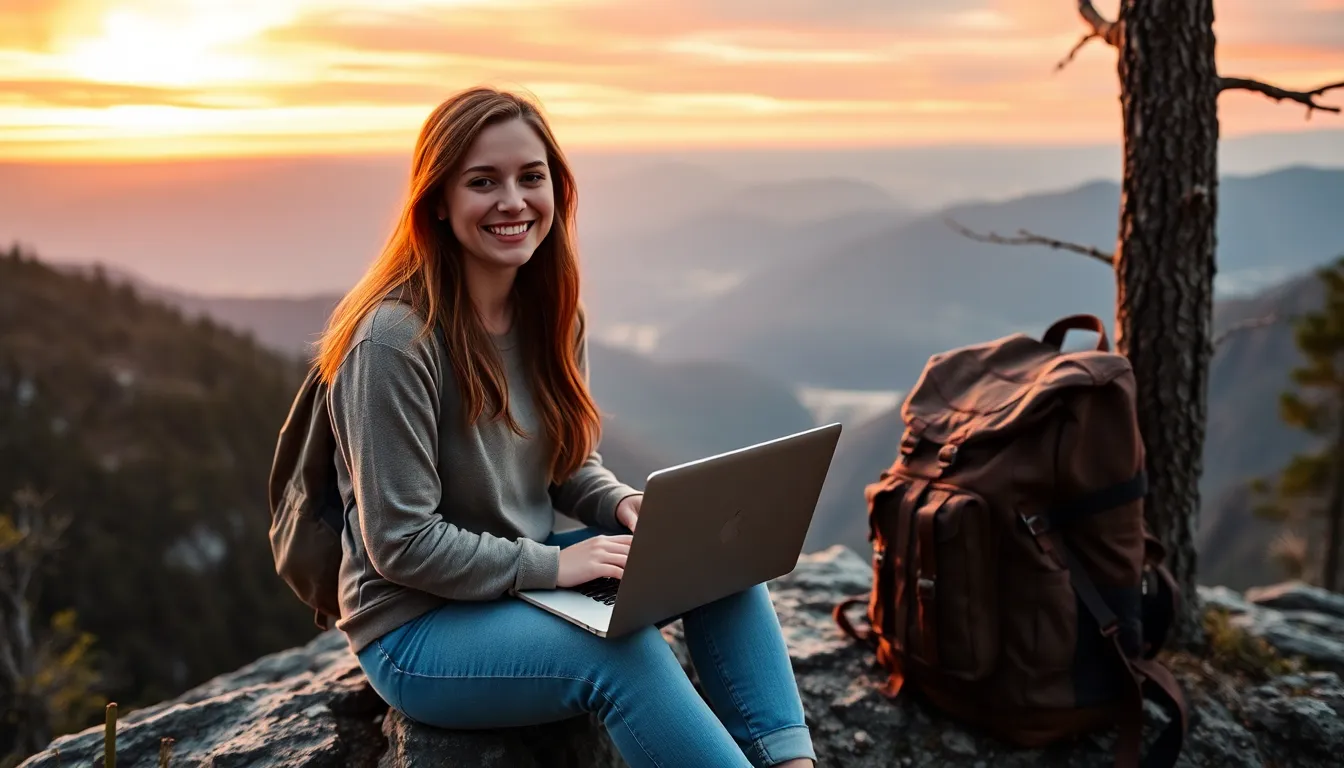
ToggleIn a world where the 9-to-5 grind feels more like a treadmill, the rise of the nomadist is shaking things up. Imagine trading your cubicle for a beach in Bali or a cozy café in Paris. It’s not just a dream; it’s a lifestyle that’s capturing the hearts of adventurers and wanderers alike. With technology in their pockets and a thirst for exploration, nomadists are redefining what it means to work and live.
But let’s be real: this isn’t just about sipping lattes in exotic locales. It’s about embracing freedom, flexibility, and a sprinkle of spontaneity. Whether it’s chasing sunrises in the mountains or finding Wi-Fi in the wild, nomadists are on a mission to prove that life’s too short to be stuck in one place. So, buckle up as we dive into the world of nomadism and discover how it’s transforming lives one passport stamp at a time.
Understanding Nomadism
Nomadism represents a lifestyle shift where individuals forgo traditional employment for a life of travel and remote work. This flexibility empowers them to explore new environments while they pursue their careers.
Definition of Nomadist
A nomadist refers to someone who embraces the nomadic lifestyle, prioritizing freedom over stability. This lifestyle often includes working from diverse locations such as cafes, beaches, or co-working spaces. Individuals who identify as nomadists value experiences over material possessions. They tend to adapt to different cultures, interacting with local communities. Technology plays a crucial role, providing tools that facilitate communication and connectivity regardless of location.
Types of Nomadist Lifestyles
Nomadism encompasses various lifestyles, each reflecting different motivations and preferences. Digital nomads represent individuals who leverage technology for remote work opportunities. Adventure seekers travel while seeking thrilling experiences, often extending their journeys beyond work. Cultural nomads immerse themselves in local customs and traditions, gaining deeper understanding and appreciation of different societies. Seasonal nomads follow climates or events, moving from one location to another based on favorable conditions. Each lifestyle showcases unique facets of a growing movement that emphasizes freedom, exploration, and connection.
The Benefits of Being a Nomadist
Nomadism offers numerous advantages that enhance personal and professional lives. Two significant benefits include flexibility and cultural exposure.
Flexibility and Freedom
Flexibility defines the nomadist lifestyle. Individuals often choose their work hours, allowing a better work-life balance. Different locations enhance productivity, as many prefer to work in stimulating environments like beaches or cozy cafés. The freedom to travel leads to newfound experiences and adventures. Many nomadists pursue passions outside of professional obligations. Time management often improves, as increased control over schedules lets them prioritize what matters most.
Cultural Exposure
Cultural exposure enriches the nomadic experience. Immersing oneself in diverse cultures fosters personal growth. Travelers learn languages and explore various traditions while meeting locals. Engaging with different communities opens up new perspectives on life. Each destination brings unique culinary experiences, art, and customs. Nomadists often create lasting friendships across the globe, building a network that spans continents. Such connections enhance understanding of global issues and cultures, making personal development more profound.
Challenges Faced by Nomadists
Nomadists encounter various challenges that can complicate their unique lifestyles. Financial stability and maintaining social connections are two prominent hurdles.
Financial Stability
Maintaining a stable income presents a significant challenge for many nomadists. Freelancers and remote workers often face fluctuating income, leading to uncertainty in planning budgets. Some nomadists rely on savings during lean periods, while others adopt side hustles to supplement their income. Understanding local cost of living in different areas affects financial planning as well. Navigating travel-related expenses, such as accommodations and transportation, also complicates budgeting, making it essential to establish a sustainable financial strategy.
Social Connections
Building lasting relationships becomes more difficult for nomadists traveling frequently. Frequent relocations often hinder the establishment of deep connections with others. While digital communication can help maintain contacts, it lacks the depth of in-person interactions. Nomadists may find it challenging to cultivate friendships in new environments filled with transient individuals. Participating in local events or communities fosters connections and creates support networks, but this takes time and effort. Ultimately, forming meaningful relationships often requires proactive engagement in each new location.
Tools and Resources for Nomadists
Nomadists rely on various tools and resources to enhance their mobile lifestyle, enabling them to work effectively while traveling.
Technology for a Nomadic Lifestyle
Smartphones serve as essential tools for nomadists, offering access to communication, navigation, and productivity apps. Laptops allow for remote work, enabling tasks to be completed anywhere with internet connectivity. Cloud storage solutions like Google Drive or Dropbox facilitate file access and collaboration. Productivity tools such as Trello or Asana help manage projects from different locations. Reliable Wi-Fi hotspots or portable routers ensure a consistent internet connection, which is crucial for remote work. Using these technologies promotes efficiency and connectivity, allowing nomadists to thrive in diverse environments.
Communities and Networks
Online communities play a vital role in supporting nomadists as they navigate their lifestyle. Platforms like Nomad List and Remote OK connect individuals seeking remote work opportunities and shared experiences. Meetups organized through networks like Meetup.com enable face-to-face interaction, fostering friendships among travelers. Social media groups on Facebook or Reddit provide valuable tips, resources, and insights into various destinations. Engaging in these communities helps nomadists find emotional support and build lasting relationships, enriching their experiences abroad. These networks create a sense of belonging and camaraderie among those embracing the nomadic lifestyle.
The nomadist lifestyle represents a profound shift in how individuals approach work and life. Embracing flexibility and adventure allows them to explore the world while pursuing their careers. This movement is not just about traveling; it’s about cultivating experiences that enrich personal growth and foster connections across cultures.
While challenges like financial instability and maintaining relationships exist, the rewards often outweigh the difficulties. With the right tools and supportive communities, nomadists can navigate these hurdles effectively. As this lifestyle continues to gain traction, it’s clear that nomadism is more than a trend; it’s a transformative way of living that resonates with those seeking freedom and exploration.