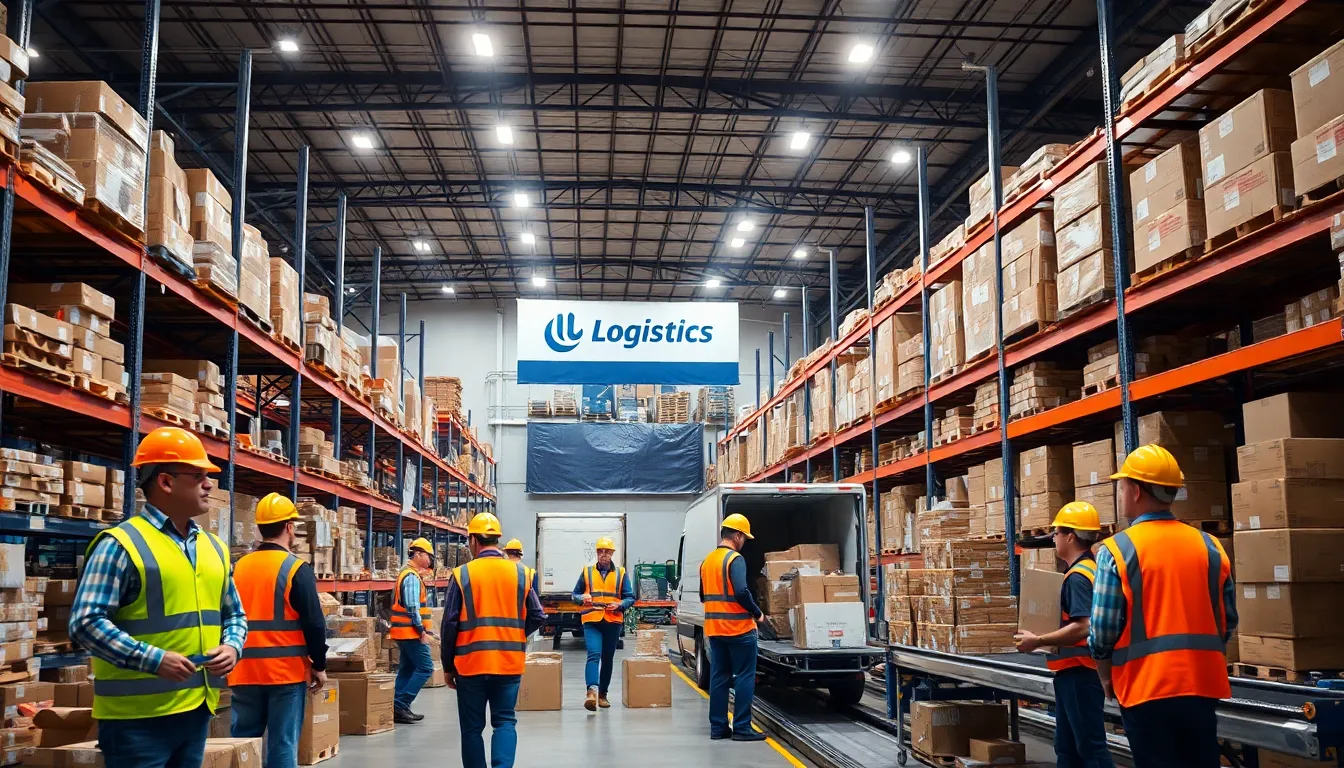
In today’s fast-paced world, logistics plays a crucial role in shaping economic landscapes. Efficient supply chains not only streamline operations but also drive growth and innovation across industries. As businesses strive to meet consumer demands, understanding the interplay between logistics and economics becomes essential for success.
Logistics isn’t just about moving goods; it’s a complex system that influences cost structures, pricing strategies, and overall market competitiveness. By examining how logistics impacts economic factors, companies can make informed decisions that enhance profitability while adapting to ever-changing market conditions. With the right insights, businesses can turn logistical challenges into opportunities for economic advancement.
Overview of Logistics and Economics
Logistics plays a crucial role in shaping economic landscapes. It encompasses the planning, implementing, and controlling of the flow of goods, services, and information. Effective logistics management translates to cost efficiency and improved service delivery, which directly influences market economy.
Logistics impacts supply chains significantly. Efficient supply chain operations minimize delays and reduce overhead costs. Consequently, companies with optimized logistics can offer competitive pricing, enhancing their market position. The integration of logistics with business strategy promotes operational resilience, allowing firms to better respond to fluctuations in demand.
Economic indicators also depend on logistics. Factors like transportation costs, inventory levels, and delivery times affect pricing strategies and profit margins. Understanding these dynamics allows businesses to set realistic objectives and allocate resources effectively.
Logistics challenges present opportunities for economic growth. Businesses that innovate in logistics processes foster sustainable practices, create jobs, and stimulate local economies. Enhanced logistics capabilities lead to increased trade volumes and improved global competitiveness, driving overall economic development.
The Role of Logistics in Economic Development
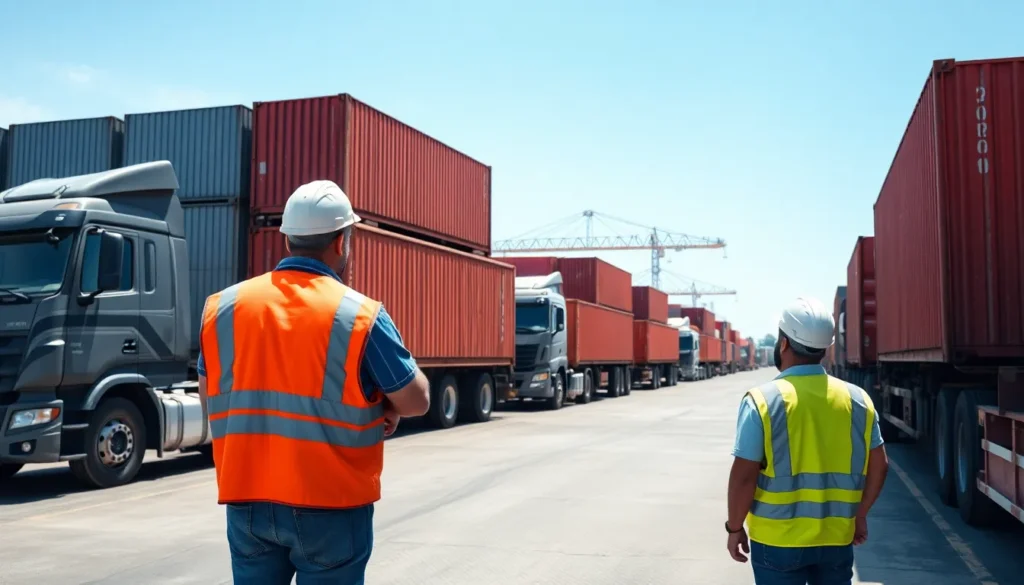
Logistics plays a crucial role in shaping economic development by facilitating trade, enhancing industrial operations, and building efficient supply chains. Its effective management directly correlates with market performance and economic stability.
Impact on Trade and Industry
Logistics impacts trade and industry by optimizing the movement of goods across borders. Efficient logistics networks boost international trade, reducing shipping times and costs associated with importing and exporting. According to the World Bank, countries with efficient logistics services experience a significant increase in trade volume and foreign direct investment (FDI). Enhanced logistical capabilities can lead to higher demand for local products and create a competitive edge in global markets. The seamless integration of logistics in manufacturing and distribution fosters collaboration, streamlining processes, and improving product availability.
Efficient Supply Chains and Economic Growth
Efficient supply chains drive economic growth by minimizing resource waste and improving productivity. Companies that adopt advanced logistics technologies and practices, like just-in-time delivery and smart inventory management, significantly reduce operating costs. The Council of Supply Chain Management Professionals (CSCMP) highlights that effective supply chain management can lower costs by 10% to 30%. Furthermore, strong supply chains enable businesses to respond rapidly to market demand, ensuring robust service delivery and customer satisfaction. These efficiencies can lead to job creation, enhanced economic competitiveness, and sustainable development within the local and global economy.
Key Components of Logistics
Key components of logistics play a crucial role in driving economic efficiency and effectiveness. Understanding these elements enables businesses to optimize their operations and enhance market competitiveness.
Transportation and Distribution
Transportation and distribution involve the movement of goods from suppliers to customers. Efficient transportation methods reduce shipping times and costs, directly impacting pricing strategies. Companies utilize various modes of transport, including road, rail, air, and sea, to maximize speed and minimize expenses. Transport logistics integrates route optimization and load consolidation, which can lower fuel consumption by up to 20% (U.S. Department of Transportation). Effective distribution networks ensure that products reach their destinations swiftly and reliably, enhancing customer satisfaction and fostering repeat business.
Warehousing and Inventory Management
Warehousing and inventory management encompass the storage and control of goods throughout the supply chain. Efficient warehousing practices enable businesses to reduce holding costs and improve space utilization. Advanced inventory management strategies, such as just-in-time inventory, can lead to a 40% reduction in delivery lead times (CSCMP). Technology plays a vital role, with automation and data analytics facilitating real-time inventory tracking and demand forecasting. Proper management of stock levels minimizes excess inventory and stockouts, allowing companies to balance supply and demand effectively. By implementing these strategies, businesses can enhance operational efficiency and support sustainable growth.
Economic Implications of Logistics
Logistics plays a pivotal role in shaping economic outcomes by affecting cost structures and market performance. Its management directly contributes to cost efficiency and the overall profitability of businesses.
Cost Efficiency and Profitability
Cost efficiency stems from optimized logistics processes that reduce unnecessary expenditures. Efficient transportation networks, coupled with strategic distribution, lower shipping costs significantly. For instance, a reduction in transportation costs by 10% can enhance profit margins notably, particularly in volatile markets where price competition is fierce. Advanced technologies, such as automated warehouse systems and data analytics, also improve inventory management, decreasing holding costs. Companies leveraging these technologies can elevate their financial performance, contributing to greater profitability and improved cash flow. Economists assert that operational efficiencies achieved through logistics align with lower product prices, benefiting consumers and fostering market growth.
Employment and Labor Market Effects
Logistics impacts the labor market by creating jobs and influencing employment dynamics. An efficient logistics sector requires a skilled workforce adept in inventory management, transportation planning, and supply chain coordination. According to the Bureau of Labor Statistics, logistics-related occupations are projected to grow by approximately 7% from 2020 to 2030, highlighting a rising demand for qualified professionals. Moreover, advancements in logistics technology stimulate the creation of new job types, including those focused on data analytics and automation management. These evolving roles necessitate training and education, thereby enhancing workforce capabilities. The interplay between logistics growth and employment can also lead to increased wages, as companies compete for skilled labor to maintain operational efficiency and drive economic stability.
Future Trends in Logistics and Economics
Logistics and economics are evolving, driven by technological advancements and sustainability efforts. These trends are reshaping the landscape, allowing companies to enhance efficiency and adapt to changing market dynamics.
Technological Innovations
Technological innovations play a crucial role in the future of logistics and economics. Automation and artificial intelligence (AI) streamline operations, reduce labor costs, and improve accuracy. Companies employing automated warehouse systems can increase order fulfillment speeds by as much as 30%, according to industry estimates. Additionally, data analytics provide insights into customer behavior, optimizing inventory management and enhancing decision-making processes.
Blockchain technology enhances transparency and traceability in supply chains, reducing fraud and improving compliance. Studies show that blockchain can reduce administrative costs by 20% through better documentation and verification processes. Drones and autonomous vehicles improve last-mile delivery, decreasing shipping times and lowering costs. With these technologies, companies gain a competitive edge and can respond more effectively to customer needs.
Sustainability Considerations
Sustainability considerations are increasingly influencing logistics strategies. Companies are adopting eco-friendly practices to meet consumer demand for responsible business operations. The shift towards electric vehicles and alternative fuels reduces carbon emissions significantly, with studies indicating potential reductions of 30% in transportation-related emissions by 2030.
Circular economy principles are also gaining traction, focusing on reducing waste and promoting resource reuse. Companies implementing these practices can enhance brand reputation and open new market opportunities. Furthermore, partnerships with local suppliers minimize transportation distances and support local economies, fostering a more sustainable supply chain.
Investing in sustainable logistics not only benefits the environment but also improves overall profitability. Research shows that businesses emphasizing sustainability can experience up to a 20% increase in customer loyalty, influencing long-term economic viability.
Logistics and economics are intricately linked, shaping the landscape of modern business. By mastering logistics, companies can optimize their operations and drive economic growth. As they adapt to technological advancements and sustainability trends, businesses position themselves for future success.
The ability to streamline supply chains and reduce costs directly influences market competitiveness and profitability. Firms that embrace innovative logistics strategies not only enhance their efficiency but also contribute to broader economic development.
Ultimately, a strong logistics framework is essential for navigating the complexities of today’s economy, ensuring businesses can thrive in an ever-evolving marketplace.