
Ever dreamt of ditching the 9-to-5 grind and exploring the world like a modern-day Indiana Jones? Becoming a nomad might just be your ticket to adventure. Picture this: waking up to the sound of waves instead of alarm clocks, sipping coffee in a bustling market, and trading office gossip for tales from fellow travelers.
Understanding Nomad Life
Nomad life offers freedom from conventional work schedules. Individuals embrace this lifestyle for adventure and flexibility.
What Is a Nomad?
A nomad is someone who constantly moves from place to place. This person often travels for work, leisure, or exploration. Many nomads prioritize experiences over possessions. They adapt to various cultures and environments, creating a rich tapestry of life that differs significantly from stationary living. Digital nomads leverage technology to work remotely, blending their careers with travel. Connection with local communities enhances their journey, adding depth to their experiences.
Types of Nomadic Lifestyles
Nomadic lifestyles categorize into several distinct types. Full-time travelers usually explore different countries consistently, often living out of backpacks. Seasonal nomads migrate based on climate or work opportunities, spending months in specific areas. Adventure nomads seek thrilling experiences like hiking or extreme sports while traveling. Urban nomads reside in cities for work but frequently relocate to different urban centers. Each type offers unique challenges and rewards, appealing to a diverse range of individuals seeking an alternative lifestyle.
Preparing for the Nomadic Journey
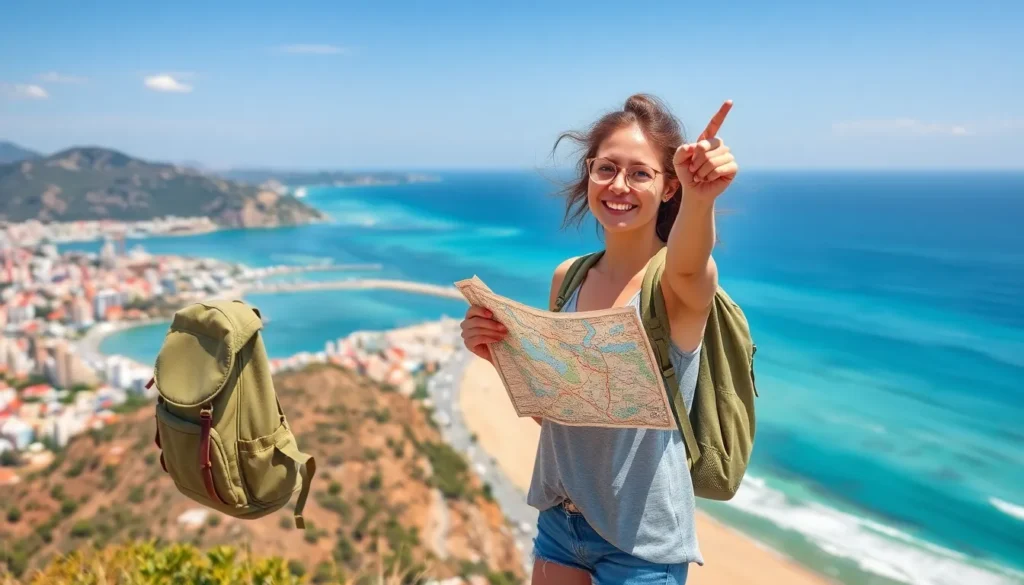

Preparing for a nomadic lifestyle requires thorough planning and mindful budgeting. Taking the right steps sets the foundation for a successful journey.
Essential Planning Steps
Choosing destinations matters for nomads, as exploring diverse cultures enriches experiences. Researching accommodation options ensures comfort and safety along the way. Maps and travel apps simplify navigation, keeping itineraries organized. Packing light becomes crucial to avoid excess baggage while prioritizing essentials. Establishing flexible schedules allows adjustment to unforeseen circumstances, enhancing adaptability.
Budgeting and Financial Considerations
Establishing a budget serves as a roadmap for sustaining financial health. Analyzing costs related to accommodation, transportation, and food reveals areas to optimize spending. Creating a separate travel account budget allows easier tracking of expenses. Identifying potential income sources, such as remote work or freelance jobs, supports ongoing financial stability. Understanding currency exchange rates can prevent unnecessary losses while transitioning between countries.
Choosing Your Destinations
Selecting destinations plays a crucial role in the nomadic lifestyle. Prioritizing a mix of cultural experiences and natural beauty enriches the journey.
Researching Locations
Investigating various locations allows for informed decisions. Travelers should consider climate, local customs, and available amenities. Utilizing online resources like travel blogs and forums enhances understanding of potential destinations. Popular choice factors include language, cuisine, and activities. Each destination presents unique opportunities. Engaging with local communities offers deeper insights into the culture and way of life.
Safety and Accessibility
Evaluating safety is essential when choosing destinations. Research crime rates, healthcare availability, and political stability. Travelers must assess transportation options for ease of movement. Areas with reliable public transport can facilitate exploration. Accessibility for individuals with disabilities also requires consideration. Maintaining awareness of local laws can prevent misunderstandings. Prioritizing safe environments fosters a more enjoyable and fulfilling nomadic experience.
Building a Nomadic Lifestyle
Embracing a nomadic lifestyle involves adopting practices that enhance flexibility and experiences. Key elements include minimalist living and nurturing relationships while traveling.
Minimalist Living
Minimalist living simplifies life, reducing distractions and enhancing focus on experiences. Nomads often choose to downsize possessions, carrying only essentials that provide comfort and utility. Prioritizing versatile clothing and multi-purpose items makes packing efficient. Budgeting for necessary gear establishes financial clarity while traveling. Exploring local markets for essential needs fosters a sense of community and supports local economies. Adapting to minimalism opens up opportunities for new experiences, allowing nomads to enjoy travel without burdening themselves with excessive belongings.
Sustaining Connections and Relationships
Sustaining connections proves vital for emotional well-being while nomadic. Maintaining communication with friends and family through social media and video calls helps bridge distances. Joining local gatherings or coworking spaces introduces travelers to like-minded individuals, fostering new friendships. Engaging in community activities allows for deeper cultural exchange and understanding. Establishing routines, such as weekly phone calls, keeps important relationships strong. Adapting to new environments while nurturing old friendships enriches the nomadic experience and creates a supportive network.
Tips for Successful Nomadism
Effective nomadism requires careful balance and dedication. Certain strategies enhance the nomadic journey, making it enjoyable and sustainable.
Managing Work and Travel
Time management plays a crucial role in balancing work and travel. Setting clear boundaries helps distinguish between work hours and exploration. Individuals should prioritize tasks each day, focusing on essential responsibilities before diving into adventures. Utilizing productivity tools can streamline work processes, saving valuable time. Finding local co-working spaces fosters a productive environment, encouraging networking with other remote workers. Regularly assessing the work-life balance ensures that neither work obligations nor travel experiences suffer.
Staying Healthy on the Road
Maintaining a healthy lifestyle is vital for long-term nomadic living. Staying active can include walking, hiking, or engaging in local fitness classes. Packing nutritious snacks and drinking sufficient water supports overall well-being. Regular sleep schedules enhance energy, while finding comfortable accommodations assists with rest. Scheduling periodic health check-ups ensures that any medical needs are addressed promptly. Engaging with local health resources connects individuals to new wellness practices, promoting a holistic approach to a nomadic lifestyle.
Embracing a nomadic lifestyle opens up a world of possibilities. It allows individuals to experience diverse cultures and breathtaking landscapes while prioritizing personal growth and adventure. With careful planning and a flexible mindset, anyone can navigate the challenges of life on the move.
By focusing on minimalist living and maintaining strong connections, nomads can create enriching experiences that go beyond mere travel. Balancing work and exploration becomes easier with effective time management and the right tools. Ultimately, the journey of a nomad is about more than just destinations; it’s about the transformative experiences that shape their lives.