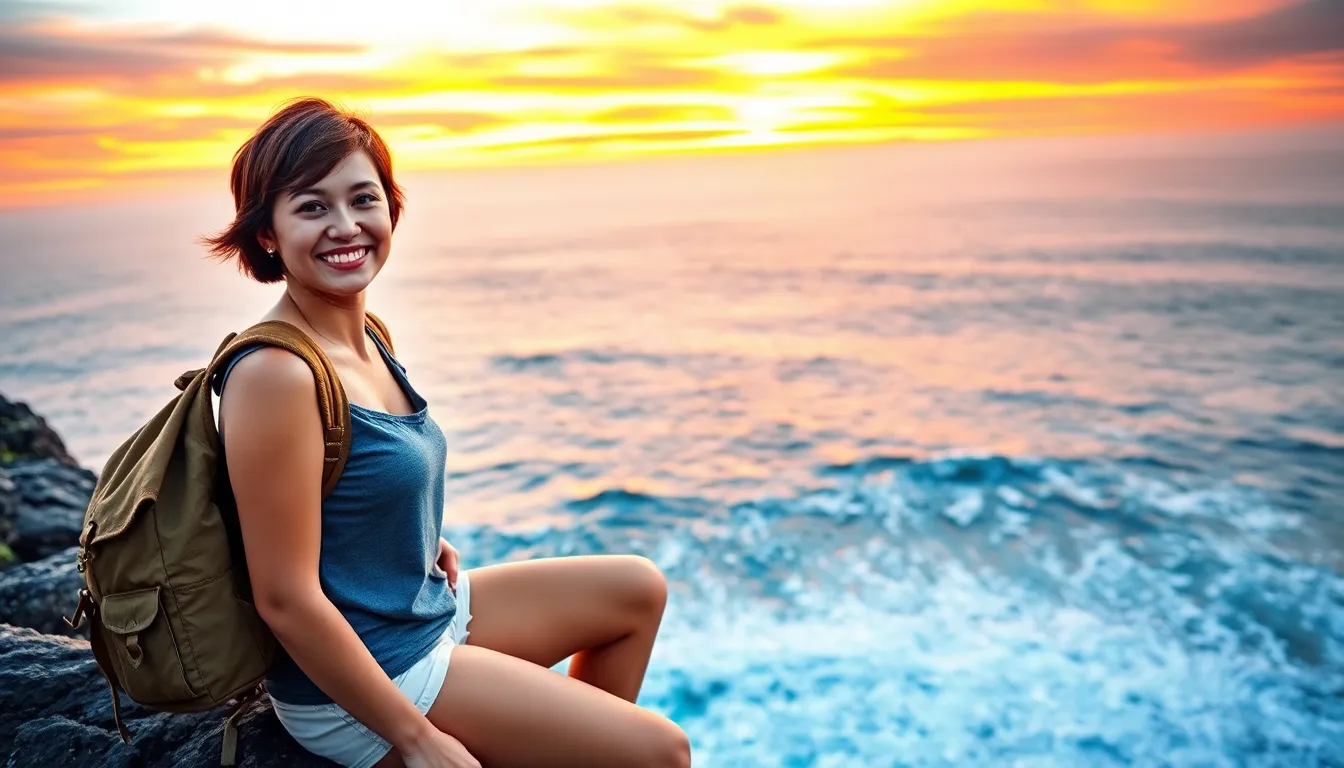
Imagine wandering the world with nothing but a backpack and a dream. Sounds impossible, right? Well, it’s not! Living as a nomad on a shoestring budget is not just a fantasy; it’s a lifestyle choice that countless adventurers are embracing. With a sprinkle of creativity and a dash of resourcefulness, anyone can trade their 9-to-5 grind for sunsets in Bali or street food in Bangkok—all without breaking the bank.
Understanding Nomadic Living
Nomadic living involves a lifestyle where individuals travel frequently, often in search of experiences and opportunities instead of a fixed residence. This approach embraces exploration while minimizing costs.
What Is Nomadic Living?
Nomadic living refers to a lifestyle that prioritizes travel and flexibility. It encourages individuals to move from one location to another without being tied to a specific place. Travelers engage in various cultural experiences, often working remotely or finding temporary jobs to sustain their journey. This lifestyle emphasizes learning new skills, connecting with diverse communities, and experiencing different environments. Nomadic individuals often adopt minimalism, reducing their possessions to essentials that fit into a backpack. This adaptability fosters personal growth and encourages a deeper understanding of the world.
Benefits of Being a Nomad
Being a nomad offers numerous advantages that attract many people. Freedom and flexibility come at the forefront, allowing individuals to choose their destinations and schedules. Discovering new cultures, cuisines, and landscapes enriches one’s life, providing unique memories. Economic benefits arise from living in areas with a lower cost of living, enabling longer travel durations. Networking opportunities expand as nomads interact with others on similar journeys, creating lasting friendships. Additionally, overcoming challenges during travel fosters resilience and adaptability, essential traits for personal development.
Preparing for a Nomadic Lifestyle
Embracing a nomadic lifestyle requires thoughtful preparation and planning. Many factors contribute to successful and sustainable travel on a budget.
Minimalism and Downsizing
Minimalism plays a crucial role in a nomadic lifestyle. Decluttering possessions simplifies travel and reduces stress. It’s essential to evaluate belongings and keep only the necessary items. Adopting a minimalist mindset frees individuals from material attachments. Selling or donating excess items can provide extra funds for travel. Prioritizing essentials helps streamline packing and increases mobility. Downsizing furniture and other bulky items can create financial flexibility. By embracing minimalism, nomads can enjoy life without the weight of possessions.
Essential Skills for Nomadic Living
Certain skills enhance the nomadic experience significantly. Communication skills help build connections with locals and fellow travelers. Knowing basic digital skills allows individuals to find remote work opportunities. Adaptability aids in navigating unexpected situations while traveling. Financial management skills ensure expenses stay within budget while exploring new locations. Networking abilities can lead to job opportunities or accommodation arrangements. Additionally, learning basic phrases in different languages fosters positive interactions. Developing these skills equips travelers to tackle challenges and enrich their nomadic journey.
Finding Free Accommodation
Traveling on a budget often requires creative thinking about where to stay. Various options provide free accommodation and enhance the nomadic experience.
Couchsurfing and Hostels
Couchsurfing connects travelers with hosts who offer free places to stay, fostering cultural exchange. Many individuals enjoy meeting locals and gaining insights into their lifestyles. Hostels also offer affordable rates with opportunities to meet fellow travelers. Travelers share dormitory-style rooms or private spaces, making social interactions easier. These environments provide a sense of community while keeping costs low.
Housesitting and Work Exchanges
Housesitting involves taking care of someone’s home and pets while they’re away, offering free lodging in exchange for services. Many platforms connect homeowners with sitters, making this an appealing option for nomads. Work exchange programs allow individuals to volunteer in exchange for food and shelter, often at farms or hostels. These interactions build skills and networks while providing unique living situations. Both options encourage deeper engagement with local communities and offer valuable experiences beyond just accommodation.
Earning Money on the Road
Nomadic living requires innovative ways to generate income. Travelers often rely on flexible work options to fund their journeys.
Freelancing and Remote Work
Freelancing offers diverse opportunities for skills utilization. Writers, graphic designers, and programmers can find work on platforms like Upwork or Fiverr. Remote positions allow individuals to maintain a steady income while exploring new locations. Networking within relevant communities enhances job prospects, and many nomads share opportunities via social media groups. Building a portfolio and gaining testimonials helps attract clients, contributing to job security.
Creative Ways to Make Quick Cash
Creative cash-generating ideas abound for those on the move. Street performers showcase talents while earning from tips, offering unique local experiences. Crafting handmade items for local markets presents another option, allowing artists to connect with communities. Teaching language or skills through workshops fosters engagement and profitability. Additionally, participating in local gigs and surveys can yield quick cash. Exploring various avenues increases financial options while traveling.
Budgeting Tips for Nomads
Managing finances while traveling requires careful planning and efficient tracking of expenses. Prioritizing budgeting tools and strategies leads to a sustainable nomadic lifestyle.
Tracking Expenses
Tracking expenses proves essential for staying within budget. Utilizing apps like Mint or YNAB enables detailed insights into spending habits. Establishing a daily or weekly budget helps streamline cash flow management. Creating a spreadsheet also provides clarity on major expenditures, such as accommodation and food. Reviewing expenses regularly fosters awareness, allowing for adjustments when necessary. Comparing costs across various destinations informs more effective financial decisions. Prioritizing essential expenses ensures that funds focus on experiences rather than frivolous spending.
Finding Free or Low-Cost Resources
Accessing free or low-cost resources enhances the experience of nomadic living. Searching local community boards often reveals opportunities for free events and workshops. Utilizing websites like Nomadic Matt or Hostelworld connects travelers to budget-friendly accommodations. Joining local Couchsurfing groups opens doors to free stays with hosts eager to offer cultural experiences. Leveraging apps such as Workaway or HelpX creates opportunities for volunteering in exchange for food and shelter. Exploring local libraries or community centers can provide free internet and resources. Communicating with fellow travelers also leads to shared tips on cost-effective activities and local resources.
Staying Connected and Safe
Staying connected and safe is crucial for any nomad. Access to technology and knowledge about safety practices allows travelers to navigate their journeys effectively.
Utilizing Technology
Smartphone apps and communication tools enhance connectivity. Messaging apps like WhatsApp enable international communication without incurring hefty charges. Navigation and mapping applications, such as Google Maps, assist with finding directions and local services. Social media platforms serve as a means to network with other travelers and locals. Utilizing free Wi-Fi in cafes, libraries, or public spaces lets nomads stay connected while protecting their budget. Cloud storage solutions also safeguard important documents, allowing easy access while on the go.
Staying Safe While Traveling
Awareness of surroundings promotes safety during travels. Researching local customs and laws helps avoid misunderstandings. Always keeping emergency contacts readily accessible forms a vital part of preparations. Establishing check-in protocols with friends or family provides peace of mind. Carrying only essential items reduces risks of theft. Registering with local authorities can offer helpful resources, especially in unfamiliar areas. Lastly, trusting instincts plays a critical role in assessing potentially risky situations.
Embracing a nomadic lifestyle without a large budget is not only possible but can be incredibly rewarding. With the right mindset and resourcefulness, individuals can explore the world while immersing themselves in diverse cultures. By prioritizing minimalism and leveraging creative income opportunities, they can sustain their travels and enjoy unique experiences.
Connecting with local communities through various accommodation options and work exchanges enhances the journey, fostering meaningful relationships. Staying organized with budgeting tools and maintaining safety awareness further ensures a fulfilling nomadic experience. Ultimately, the freedom and personal growth that come from this lifestyle create lasting memories and a deeper understanding of the world.