When it comes to smartphones, RAM is the unsung hero that keeps everything running smoothly. Ever wondered how much RAM your iPhone has? Spoiler alert: it’s more than your average toaster, but less than your cousin’s gaming rig. While the iPhone might not be packing the same RAM as some Android competitors, it’s engineered to make the most of what it’s got.
Overview Of iPhone RAM
RAM capacity varies across different iPhone models. The iPhone 6 and 6 Plus feature 1 GB of RAM, while the iPhone 7 and 7 Plus come equipped with 2 GB and 3 GB respectively. With the introduction of the iPhone X, Apple increased the RAM to 3 GB. The iPhone 11 models offer 4 GB, whereas the iPhone 12 and iPhone 13 series boast 4 GB and 6 GB respectively.
Performance optimization is crucial in iPhones. iOS efficiently manages memory, reducing the need for excessive RAM. Users often observe smooth multitasking on devices with lower RAM, thanks to system optimizations. Various apps maintain responsiveness even when running concurrently.
Apple’s emphasis on hardware and software synergy enhances user experience. Each new iPhone generation typically exhibits better RAM management, offering seamless interaction. On the other hand, Android devices often include higher RAM numbers, which may not correlate directly with performance.
Examples of RAM efficiency exist within the iPhone ecosystem. Users running intensive applications or games on iPhones with 4 GB of RAM experience minimal lag. Additionally, multitasking features remain robust, even with limited RAM compared to other smartphones.
RAM specifications alone don’t determine overall performance. Apple’s integrated approach to RAM use, combined with ongoing software updates, ensures devices remain capable over time. Seeking a device that balances RAM and optimization leads to enhanced usability and satisfaction.
RAM In Different iPhone Models
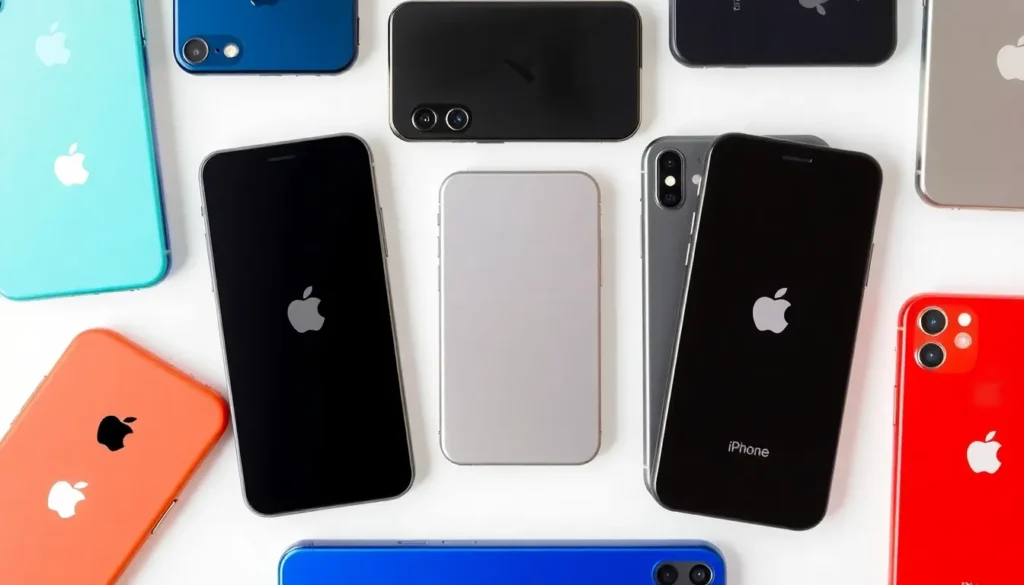
Various iPhone models exhibit a range of RAM capacities, directly influencing performance.
iPhone 6 And 6 Plus
iPhone 6 and 6 Plus feature 1 GB of RAM. This limited memory capacity still supports smooth operation for basic tasks. Users often find these models sufficient for everyday applications like messaging and browsing.
iPhone 7 And 7 Plus
iPhone 7 includes 2 GB of RAM, while iPhone 7 Plus features 3 GB. With these specifications, multitasking becomes more effective. Both models provide improvements for gaming and app performance compared to their predecessors.
iPhone 8 And 8 Plus
iPhone 8 models are equipped with 2 GB and 3 GB of RAM, similar to the iPhone 7 series. The enhancements in processing power contribute to smoother performance in demanding applications. Users experience fewer slowdowns and faster loading times for iOS updates.
iPhone X Series
iPhone X offers 3 GB of RAM. This model marks a significant upgrade in performance. Enhanced RAM capacity allows for improved multitasking and supports advanced features in apps.
iPhone 11 Series
iPhone 11 features 4 GB of RAM across its models. This increased memory capacity bolsters overall performance. Users can easily switch between multiple applications without lag.
iPhone 12 Series
iPhone 12 series models come with 4 GB and 6 GB of RAM. Enhanced RAM management supports smooth operations during high-demand tasks. Users benefit from faster loading times and improved graphics performance in video games.
iPhone 13 Series
iPhone 13 series offers up to 6 GB of RAM, allowing for exceptional multitasking capabilities. This capacity supports advanced photography and gaming features. Users often report enhanced satisfaction from the overall performance.
iPhone 14 Series
iPhone 14 and its variants include an impressive 6 GB of RAM. Increased RAM capacity caters to newer applications and features. Users can tackle demanding tasks with ease, ensuring long-lasting responsiveness.
Importance Of RAM For Performance
RAM plays a critical role in the performance of smartphones, including iPhones. Effective RAM management directly influences multitasking capabilities and the overall user experience. Lower RAM numbers in some iPhone models don’t equate to inferior performance, as Apple optimizes their devices efficiently.
Multitasking improves significantly with higher RAM. For example, the iPhone 11 series, equipped with 4 GB of RAM, allows users to switch between apps seamlessly. Higher RAM models like the iPhone 13 and iPhone 14, offering up to 6 GB, support even more demanding applications.
Gaming and high-performance tasks also benefit from sufficient RAM. The iPhone 12’s 4 GB and 6 GB RAM configurations handle graphics-intensive games and applications better, delivering smoother gameplay. The design of iOS systems complements hardware, ensuring effective resource allocation.
While many Android devices showcase larger RAM capacities, this doesn’t always translate into enhanced performance. An iPhone with 3 GB of RAM can run applications efficiently due to software and hardware integration. Assessing performance requires looking beyond just RAM numbers to consider the whole ecosystem.
Users can expect responsive devices across different iPhone models. The combination of RAM with Apple’s hardware advancements leads to minimal lag, even when running intensive applications. As a result, sufficient RAM is essential, but it’s the synergy between RAM and overall system design that determines performance effectiveness.
How To Check RAM On Your iPhone
Checking RAM on an iPhone isn’t straightforward, as Apple doesn’t provide a built-in option for this. Users can find RAM details through third-party apps. Several applications, such as CPU-Z or Lirum Device Info, offer detailed hardware information, including RAM specs.
Another method involves using the device’s settings to evaluate performance issues indirectly. By navigating to Settings > General > iPhone Storage, he or she can assess how much storage is in use and how many apps are consuming resources. This method doesn’t specify RAM but helps gauge overall efficiency.
Go to the App Store to download diagnostic tools if deeper insights are necessary. Apps like Geekbench provide comprehensive data about RAM and system performance. They benchmark the device’s capabilities and reveal RAM size within their reports.
Exploring the Apple website also helps. Specific technical specifications are available for each iPhone model. Users can visit Apple’s official site to compare RAM across different devices, ensuring an accurate understanding of their iPhone’s capabilities.
Maintaining awareness of available RAM enhances multitasking and app management. Users might experience slower performance when RAM nears full capacity. Tracking RAM availability supports better app management and overall device health.
Checking RAM needs proactive engagement. Understanding how much RAM an iPhone has contributes to optimizing the user experience. Regular assessment ensures the device runs smoothly for tasks like gaming or multitasking.
Understanding the RAM capacity of iPhones sheds light on their performance capabilities. While iPhones may have lower RAM numbers compared to some Android devices they still deliver exceptional efficiency thanks to Apple’s optimization strategies. Each iPhone model brings advancements that enhance multitasking and overall user experience.
Users can benefit from knowing their device’s RAM and how it impacts performance. Regularly checking RAM usage can help maintain smooth operation especially for demanding tasks like gaming and multitasking. Ultimately the harmony between RAM and Apple’s hardware design ensures that iPhones continue to provide a satisfying experience for users across various applications.