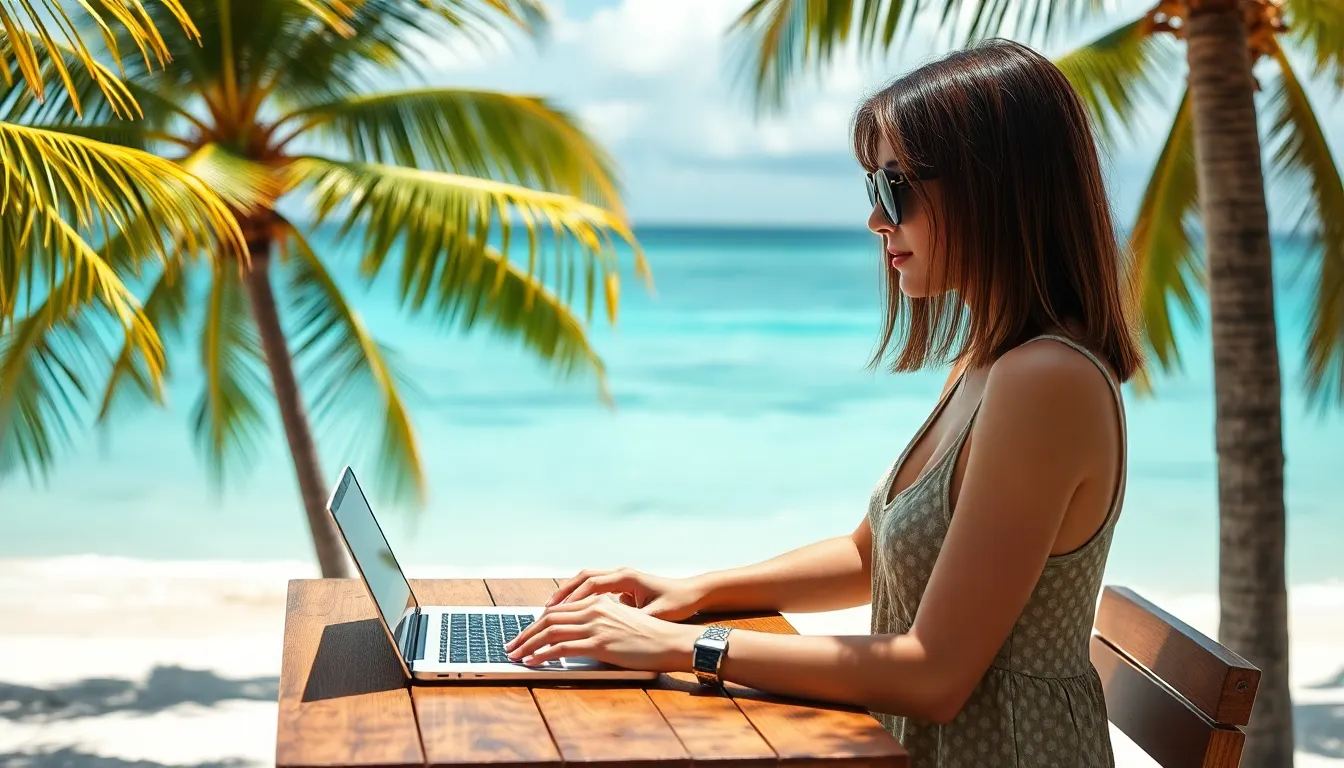
In today’s rapidly evolving work landscape, the digital nomad lifestyle has captured the imagination of many. With the freedom to work from anywhere in the world, this modern approach to employment offers exciting opportunities but also presents unique financial challenges. Navigating finances while living a location-independent life requires careful planning and strategic thinking.
Understanding how to manage income, expenses, and taxes is crucial for anyone embracing this lifestyle. From budgeting for travel to ensuring sustainable savings, digital nomads must be proactive in their financial decisions. This article will explore essential tips and strategies to help digital nomads thrive financially while enjoying the adventure of a lifetime.
Understanding Digital Nomad Finances
Digital nomads combine work and travel, enabling them to explore diverse cultures while earning income remotely. Financial awareness is crucial for navigating this lifestyle effectively.
The Definition of Digital Nomad
Digital nomads work remotely using technology, often traveling to various locations for extended periods. They typically engage in freelance work, entrepreneurship, or remote employment, relying on internet access to fulfill professional responsibilities. Examples of careers common among digital nomads include writers, programmers, and marketers.
Importance of Financial Management
Financial management provides digital nomads with the ability to balance income and expenses effectively. Tracking spending patterns allows them to adjust budgets and allocate funds for travel, accommodation, and leisure activities. Understanding tax implications, such as international regulations and local requirements, ensures compliance and financial security. Establishing an emergency fund also prepares them for unexpected expenses, promoting long-term stability and allowing for a worry-free travel experience.
Budgeting as a Digital Nomad

Budgeting effectively is vital for digital nomads to ensure financial stability while pursuing their lifestyle. A flexible approach helps adapt to varying income levels and unexpected expenses.
Creating a Flexible Budget
Crafting a flexible budget involves assessing regular income sources and estimating monthly expenses. Digital nomads often experience fluctuating earnings due to freelance work or temporary contracts. To create a resilient budget:
- Identify Income: List all income sources, including freelance projects, remote job salaries, and passive income.
- Estimate Expenses: Account for fixed costs, such as housing and subscriptions, along with variable costs like travel and dining.
- Set Limits: Determine spending limits for different categories like entertainment and groceries to maintain control.
- Adjust Regularly: Review and adjust the budget monthly to reflect changes in income or unexpected expenses.
Maintaining a flexible budget enables digital nomads to balance enjoyment and financial responsibility.
Tools and Apps for Budgeting
Utilizing budgeting tools and apps simplifies tracking finances and managing expenses. Several options exist, each offering unique features that cater to digital nomads:
- Mint: This free app links bank accounts and tracks spending habits, providing a comprehensive view of finances.
- YNAB (You Need A Budget): YNAB focuses on proactive budgeting, helping users allocate money towards goals before spending.
- PocketGuard: This app shows how much disposable income remains after accounting for bills, goals, and necessities.
- Expensify: Useful for tracking expenses when traveling, Expensify allows users to scan receipts and categorize spending.
Selecting the right tool enhances organization and fosters better financial decision-making for digital nomads on the move.
Income Sources for Digital Nomads
Digital nomads leverage various income sources to sustain their lifestyle while traveling. Understanding these sources allows for effective financial planning and stability.
Remote Work Opportunities
Remote work opportunities encompass full-time positions that allow individuals to work from any location. Many companies offer remote roles in fields like IT, marketing, customer support, and writing. According to a 2023 report by FlexJobs, approximately 80% of companies planned to allow for remote work in some capacity. Digital nomads can secure remote employment through job boards such as We Work Remotely, Remote.co, and FlexJobs. Networking on platforms like LinkedIn also enhances the chances of finding suitable opportunities. Securing a remote job often provides a reliable income stream, essential for budgeting travel expenses and savings.
Side Hustles and Freelancing
Side hustles and freelancing offer flexibility and additional income for digital nomads. Popular freelance platforms, such as Upwork and Fiverr, enable them to connect with clients across various industries. Many digital nomads engage in writing, graphic design, programming, and consulting as freelance services. The Bureau of Labor Statistics shows that freelancers contribute to a growing sector, accounting for nearly 36% of the US workforce as of 2023. Creating multiple income streams through side hustles mitigates financial risks associated with fluctuating earnings from remote work. Examples of lucrative side hustles include tutoring, affiliate marketing, and selling handmade products online. These opportunities ensure that digital nomads maintain financial security while pursuing their lifestyle.
Managing Expenses While Traveling
Managing expenses effectively ensures that digital nomads can enjoy their lifestyle without financial strain. Awareness of costs and strategies for savings plays a crucial role in maintaining financial health.
Cost of Living in Various Countries
Understanding the cost of living in different countries helps digital nomads budget effectively. Costs can vary significantly; for instance:
| Country | Estimated Monthly Cost (USD) |
|---|---|
| Thailand | $800 |
| Portugal | $1,200 |
| Mexico | $900 |
| Indonesia | $700 |
| Spain | $1,500 |
Choosing countries with a lower cost of living allows digital nomads to stretch their budgets further. Researching local prices for accommodation, food, transportation, and entertainment is essential for accurate budgeting.
Tips for Reducing Travel Costs
Implementing specific strategies effectively reduces travel costs. Consider the following approaches:
- Travel Off-Peak: Opt for travel during shoulder seasons to benefit from lower prices and fewer tourists.
- Utilize Public Transportation: Use local public transport instead of taxis or rideshares to save money on commuting.
- Cook Meals: Prepare food in shared kitchens or buy from local markets to cut down on dining expenses.
- Seek Free Activities: Explore free attractions, parks, and museums to fill leisure time without overspending.
- Leverage Discount Websites: Use platforms like Groupon or Hotwire to find deals on excursions, dining, and accommodation.
Applying these cost-saving tips allows digital nomads to manage expenses while enjoying diverse travel experiences.
Saving and Investing Strategies
Digital nomads must prioritize saving and investing to secure their financial futures. Building an emergency fund and exploring investment options can offer financial stability amidst fluctuating incomes.
Building an Emergency Fund
Establishing an emergency fund is crucial for digital nomads. An emergency fund should cover three to six months’ worth of living expenses, ensuring financial security during unforeseen circumstances.
- Evaluate Monthly Expenses: Calculate monthly living costs, including rent, food, transportation, and insurance.
- Set a Savings Goal: Multiply monthly expenses by three or six to determine the target fund amount.
- Automate Savings: Set up automatic transfers to a separate savings account to consistently build the fund.
- Reassess Regularly: Periodically review and adjust the savings goal based on changing expenses or lifestyle.
Utilizing a high-yield savings account can generate interest on the emergency fund, further enhancing financial resilience.
Investment Options for Nomads
Digital nomads have various investment options that accommodate their mobile lifestyles. Exploring these avenues helps grow wealth while maintaining flexibility.
- Index Funds and ETFs: Invest in low-cost index funds or exchange-traded funds (ETFs). These portfolios offer diversification and typically require minimal management.
- Robo-Advisors: Utilize robo-advisors, such as Betterment or Wealthfront, for automated investment management. These platforms offer tailored investment strategies based on risk tolerance.
- Real Estate Crowdfunding: Participate in real estate crowdfunding platforms like Fundrise or RealtyMogul. These allow nominal investments in real estate projects without significant capital.
- Cryptocurrency: Consider investing in cryptocurrencies. While volatile, they offer potential high returns. Use reputable exchanges and wallets for security.
Digital nomads should research their chosen investment strategies thoroughly and consider consulting a financial advisor to align investments with long-term goals.
Navigating the financial landscape as a digital nomad requires a proactive approach and strategic planning. By understanding income sources and managing expenses effectively, individuals can enjoy the freedom of this lifestyle without compromising their financial stability.
Utilizing budgeting tools and being aware of local living costs are essential steps toward maintaining a healthy financial balance. Establishing an emergency fund and exploring investment options can further secure a digital nomad’s financial future.
With the right mindset and resources, digital nomads can thrive in their adventures while ensuring their finances remain in check.