Traveling can be one of life’s greatest joys, but timing plays a crucial role in maximizing the experience. Whether it’s exploring vibrant cities, lounging on sun-kissed beaches, or trekking through breathtaking landscapes, knowing the best time to travel can make all the difference. It’s not just about avoiding crowds or securing better deals; it’s about immersing oneself in a destination when it’s at its finest.
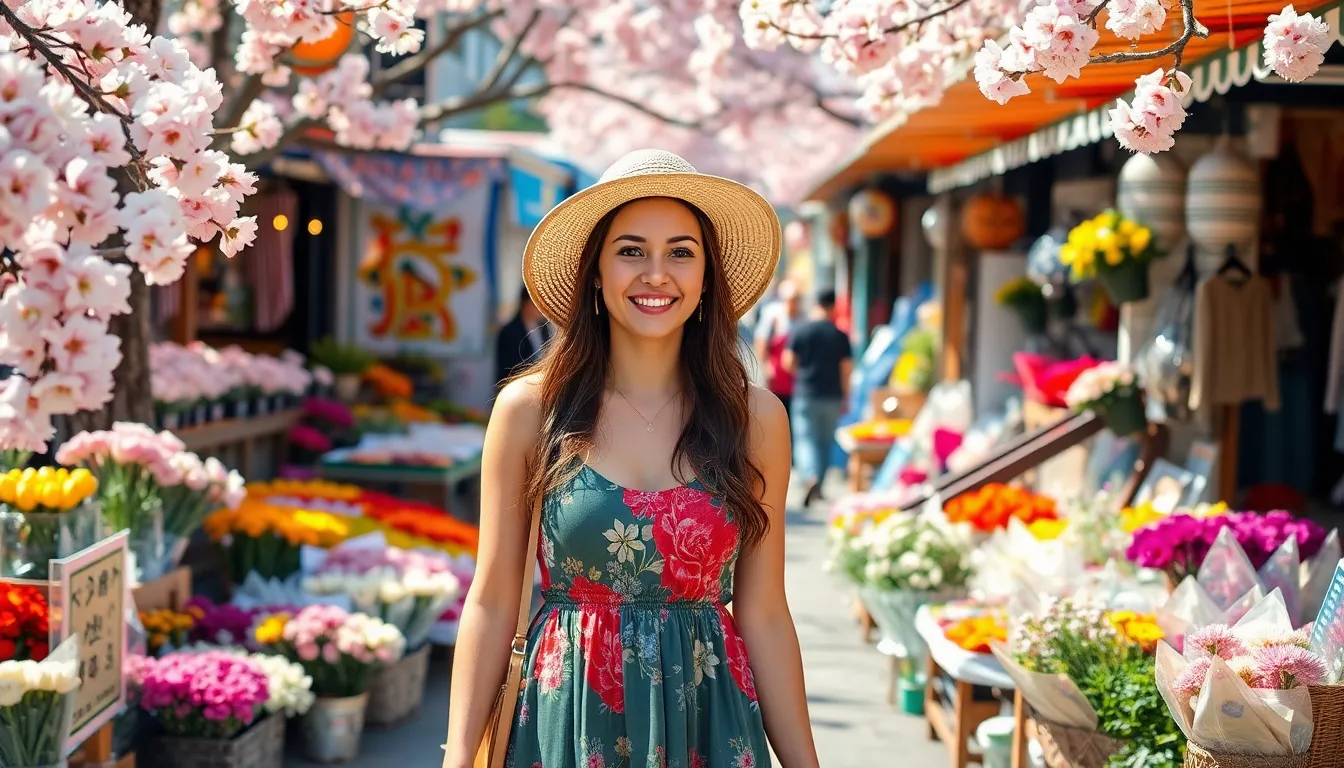
Different regions have unique climates and peak seasons that can significantly impact a trip. From the cherry blossoms in spring to the festive markets in winter, each season offers its own charm. Understanding these nuances helps travelers plan unforgettable adventures that align with their interests and preferences. By choosing the right time to travel, they can create memories that last a lifetime.
Understanding Travel Seasons
Travel seasons play a critical role in shaping experiences. Recognizing peak and off-peak periods enables travelers to maximize enjoyment and savings.
Peak Seasons
Peak seasons refer to times when popular destinations experience the highest visitor numbers. These periods often align with favorable weather conditions, holidays, or school vacations. For instance, summer months attract tourists to beach locations due to warm weather and school breaks. Major cities tend to bustle around Christmas, when festive markets draw crowds. Travelers should expect higher prices for accommodations, flights, and attractions during these times, along with larger crowds and longer wait times.
Off-Peak Seasons
Off-peak seasons occur when fewer tourists visit destinations, typically resulting in lower prices and quieter environments. These seasons vary by region; for example, winter months may be off-peak for beach resorts but peak for ski resorts. Traveling during these times offers unique advantages, such as less crowded attractions and better availability of services. Discounts on accommodations and flights during off-peak seasons can lead to more budget-friendly trips, enhancing overall travel experiences.
Factors Influencing The Best Time For Travel
Understanding the various factors that affect travel timing helps in planning trips efficiently. Key elements include weather conditions, local events and festivals, and tourist crowds.
Weather Conditions
Weather conditions significantly impact travel experiences. Different regions offer varied climates, influencing activities and comfort levels. Regions with mild temperatures attract more visitors during spring and fall, while summer draws those seeking sun. For instance, tropical locations are ideal during dry seasons for beach activities. Travelers should consult seasonal weather statistics to choose optimal months, ensuring enjoyable outdoor experiences.
Local Events and Festivals
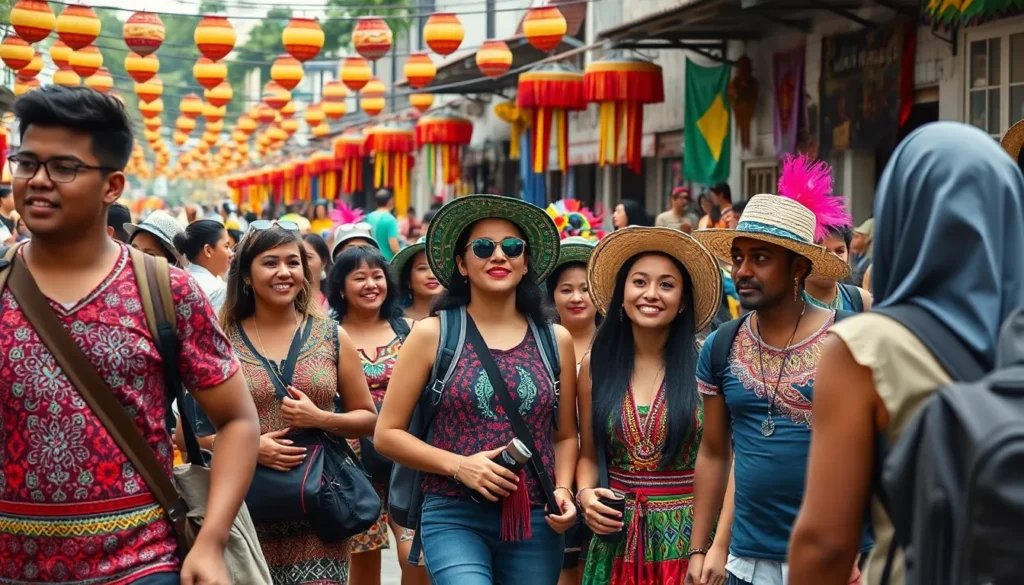
Local events and festivals enrich travel experiences by showcasing culture and tradition. Festivals often draw large crowds and highlight local cuisine, music, and crafts. Notable examples include the Rio Carnival in Brazil and Oktoberfest in Germany. Travelers benefit from planning trips around these events, providing unique insights into local life. However, busy event times may include higher accommodation costs and limited availability, so early booking is essential.
Tourist Crowds
Tourist crowds affect overall travel enjoyment. Peak seasons, associated with vacations and favorable weather, lead to packed attractions and longer wait times. Off-peak periods, conversely, feature fewer visitors, enabling easier access to sights and more tranquil environments. For example, visiting popular destinations like Disney World during off-peak months often results in lower ticket prices and shorter lines. Analyzing crowd patterns can help travelers choose when to visit for a more pleasant experience.
Best Time For Travel To Popular Destinations
Timing significantly influences travel experiences across continents. Here’s a breakdown of the best times to visit popular destinations in five key regions.
Europe
Europe’s best travel times vary by country. Spring (April to June) offers mild weather and fewer crowds, making it ideal for sightseeing in cities like Paris or Rome. Fall (September to October) also features pleasant temperatures, especially in southern Europe, allowing travelers to enjoy local wine festivals. Summer (July to August) brings crowded attractions and higher prices due to school vacations, particularly in popular spots like Barcelona and Amsterdam.
Asia
Asia presents diverse climates and peak seasons. For instance, the best time to visit Japan is during spring (March to May) for cherry blossoms and comfortable weather. Southeast Asia, including Thailand and Vietnam, sees optimal travel from November to February when temperatures are cooler and rainfall is reduced. Conversely, summer (June to August) often experiences monsoon rains in certain regions, potentially impacting travel plans.
North America
North America’s peak travel seasons depend on location. The summer months (June to August) attract visitors to national parks and coastal areas for warm weather and outdoor activities. Fall (September to November) is excellent for experiencing vibrant foliage in the northeast and various harvest festivals. Winter (December to February) draws tourists to ski resorts in places like Colorado and Utah, while milder climates in Florida and Southern California attract sun-seekers year-round.
South America
South America’s best travel months depend on the destination and desired activities. For exploring Patagonia, visit during the summer months (December to February) when the weather is most favorable. Brazil’s vibrant Carnival celebrations occur in February or March. The dry season (May to September) in the Amazon region makes it easier to navigate. Winter months (June to August) can be perfect for exploring the Andes, with fewer tourists in many areas.
Australia
Australia enjoys different travel seasons based on its geography. Spring (September to November) and fall (March to May) offer comfortable temperatures and fewer tourists in cities like Sydney and Melbourne. Summer (December to February) presents popular beach activities but brings high humidity and tourist influx in coastal regions. Winter (June to August) suits travelers heading to the north for warmer climates, while southern areas have cooler temperatures, ideal for indoor attractions and cultural experiences.
Tips For Planning Your Travel
Planning travel requires careful consideration to maximize enjoyment and minimize costs. Here are essential tips to streamline that process.
Setting a Budget
Setting a budget helps control spending during a trip. Travelers should:
- Determine total travel expenses, including transportation, accommodation, food, and activities.
- Allocate funds for necessities and discretionary spending, ensuring flexibility for unplanned costs or experiences.
- Monitor exchange rates and currency fluctuations, especially for international trips, to make informed financial decisions.
- Explore cost-saving options like package deals, off-peak travel, and local dining, which enhance experiences without overspending.
Researching Destinations
Researching destinations enables informed choices about travel plans. Key actions include:
- Investigating local culture, attractions, and seasonal highlights to identify unique experiences.
- Reading traveler reviews and itineraries to understand potential activities and dining options.
- Consulting official tourism websites for the latest updates on events, safety guidelines, and travel restrictions.
- Comparing climate conditions to select the best travel time based on personal preferences for weather and activities.
Flexible Travel Dates
Flexible travel dates create opportunities for savings and less crowded experiences. Consider these strategies:
- Using fare comparison tools to find the best deals on flights by adjusting departure and return dates.
- Traveling on weekdays or during non-holiday periods, which often leads to lower prices.
- Avoiding school vacation periods and major holidays when possible, as these times draw larger crowds and higher costs.
- Staying open to alternative destinations or nearby locations, which may offer similar experiences with better deals.
Organizing travel with these tips helps enhance enjoyment while ensuring budgets remain intact.
Timing plays a crucial role in shaping memorable travel experiences. By understanding the unique characteristics of different seasons and regions, travelers can tailor their trips to align with their interests. Whether seeking vibrant city life or serene natural landscapes, knowing when to visit can enhance enjoyment and reduce costs.
Traveling during off-peak seasons not only offers budget-friendly options but also provides a chance to explore destinations with fewer crowds. By considering factors like weather, local events, and tourist influx, travelers can make informed decisions that lead to unforgettable adventures. Embracing the art of timing in travel is essential for creating lasting memories and enjoying every moment of the journey.